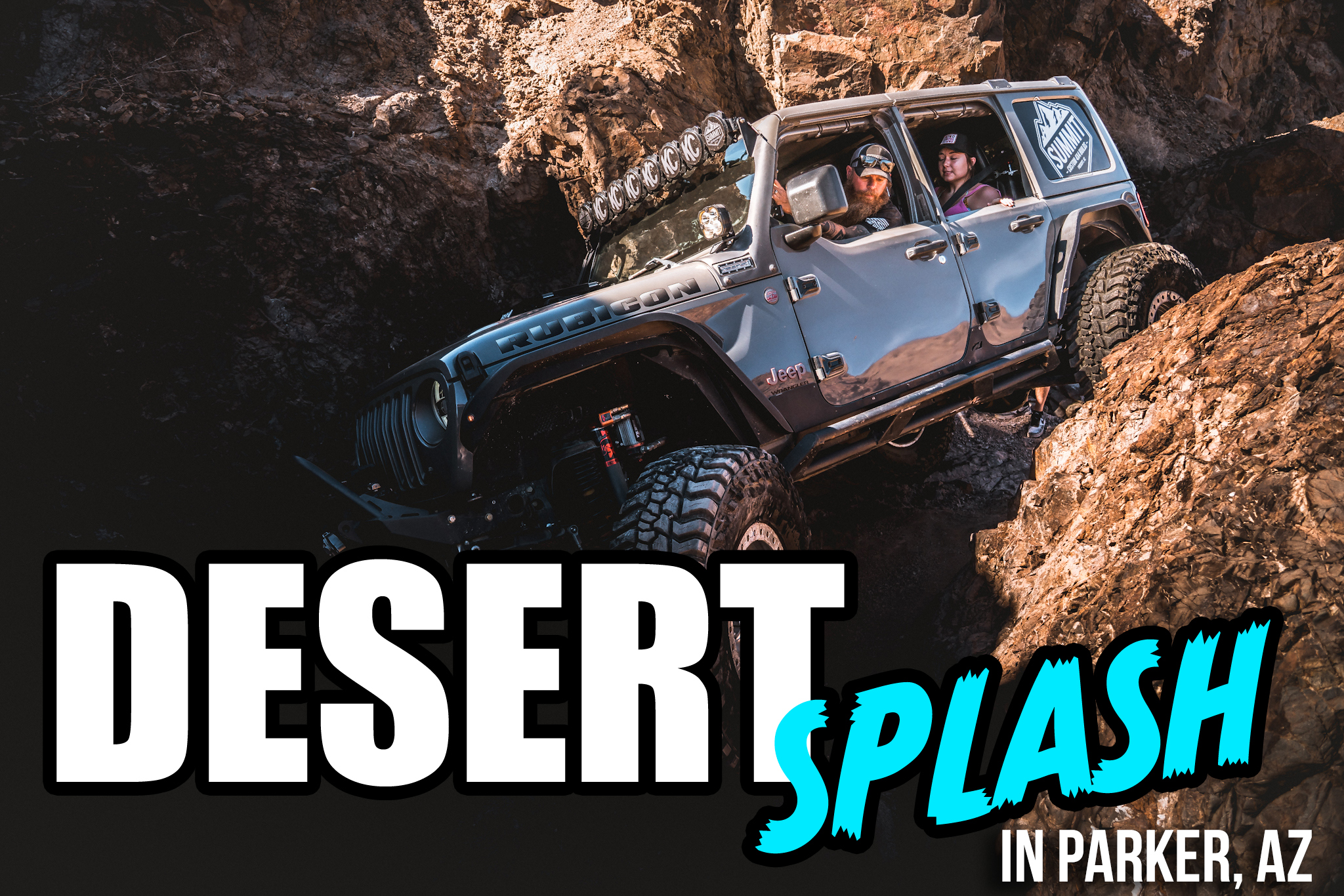

 On a recent Summit 4×4 Club run at Table Mesa, we encountered a situation that deserves a closer look, not because it was rare, but because it reflects how vehicle builds naturally evolve as drivers gain experience and push their rigs into more demanding terrain.
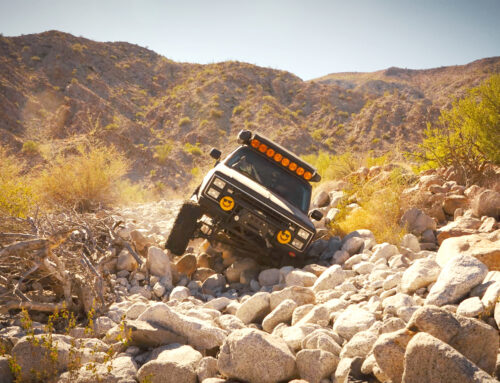
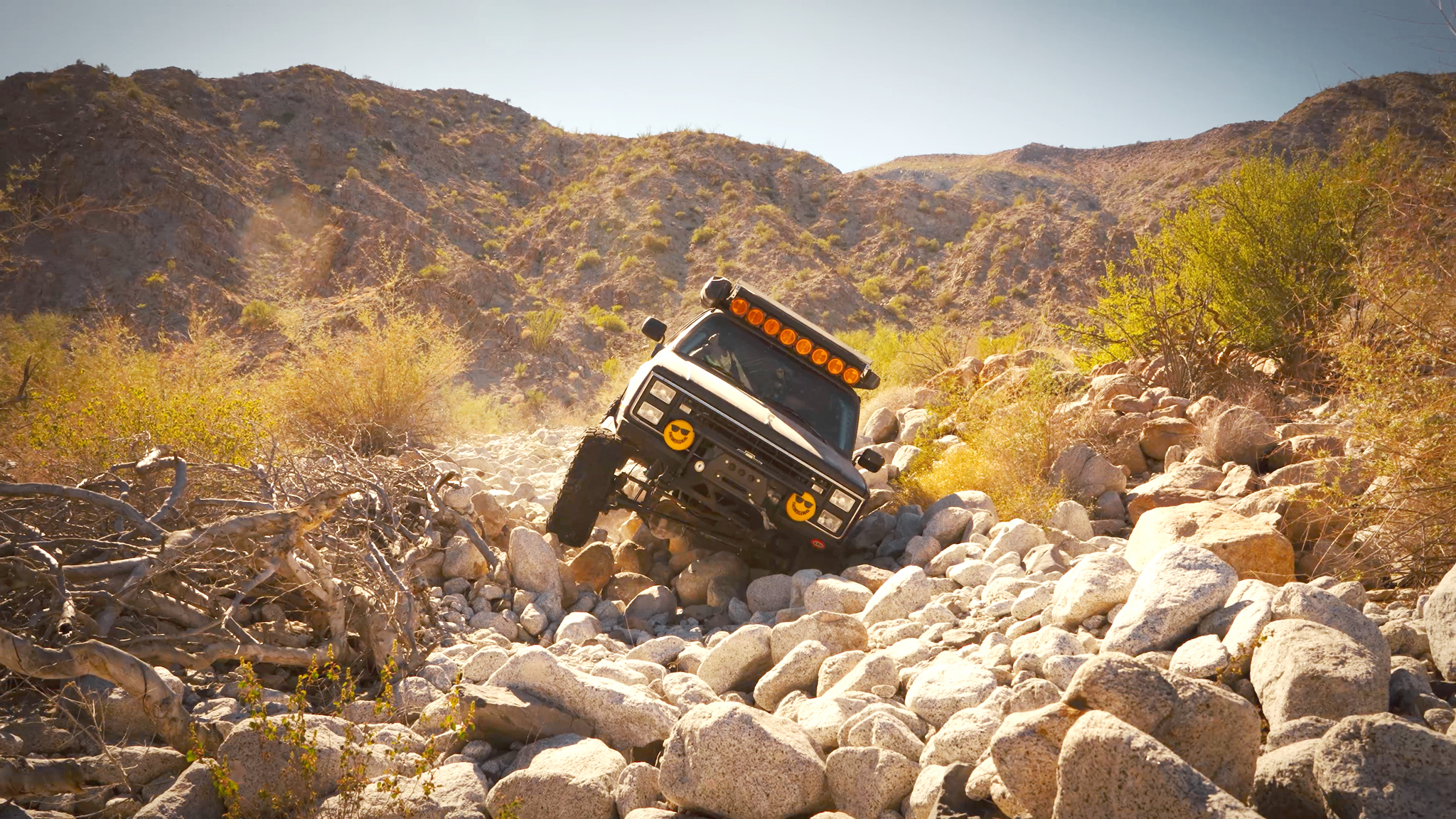
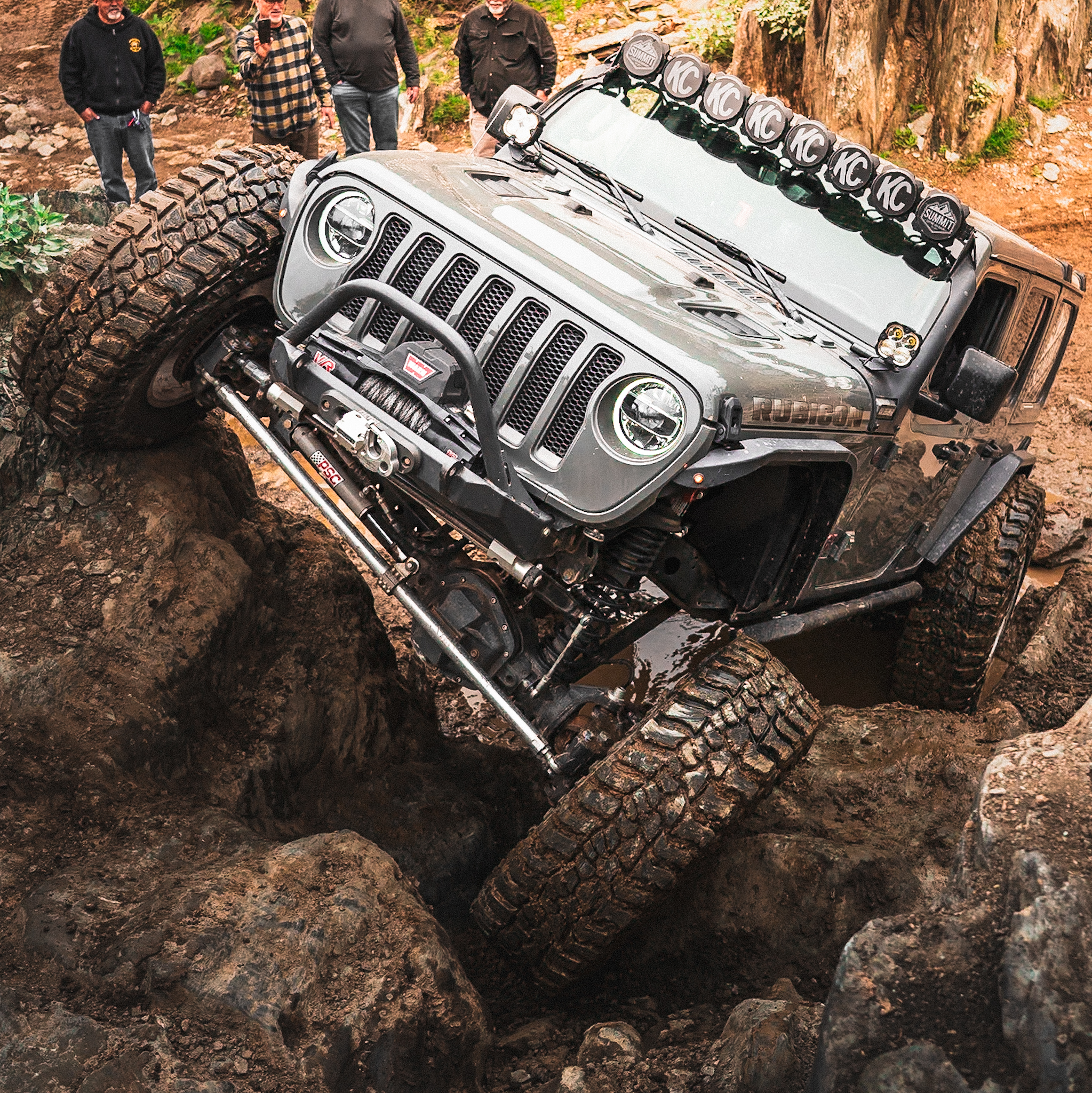
We were running a difficult trail with a group of rigs on 35-inch to 40-inch tires. These vehicles were being used in the type of terrain those tire sizes are intended for, steep ledges, rock faces, and technical obstacles that require slow speed control. Driver experience was solid, spotting was effective, and the trail difficulty matched the capability level of the group.
As the trail progressed, several drivers encountered obstacles where the steering system had reached its limit.
Not because the obstacle was misunderstood.
Not because the wrong line was chosen.
But because the available steering force could no longer overcome the load at the tires.
More than once, a driver was instructed to turn driver or turn passenger, only to respond that the steering wheel would not move under load.
On steep, technical terrain, steering control is not optional. When steering input does not translate into tire movement, the vehicle stops tracking the intended line. Weight transfer becomes unpredictable. Tires climb where they should not. At that point, the risk of vehicle damage, rollover, or injury increases rapidly.
What we observed on this run was not a failure of driving skill or preparation. It was a steering system encountering conditions beyond what it was designed to handle.
As vehicles get heavier and tires get bigger, steering has to work much harder. The effort required to turn the tires does not increase gradually as tire size grows. It increases quickly, especially at slow speeds on high-traction surfaces like rocks. When a tire is pressed against a rock, ledge, or steep face, the tire resists turning, and the steering system can quickly reach its limit.
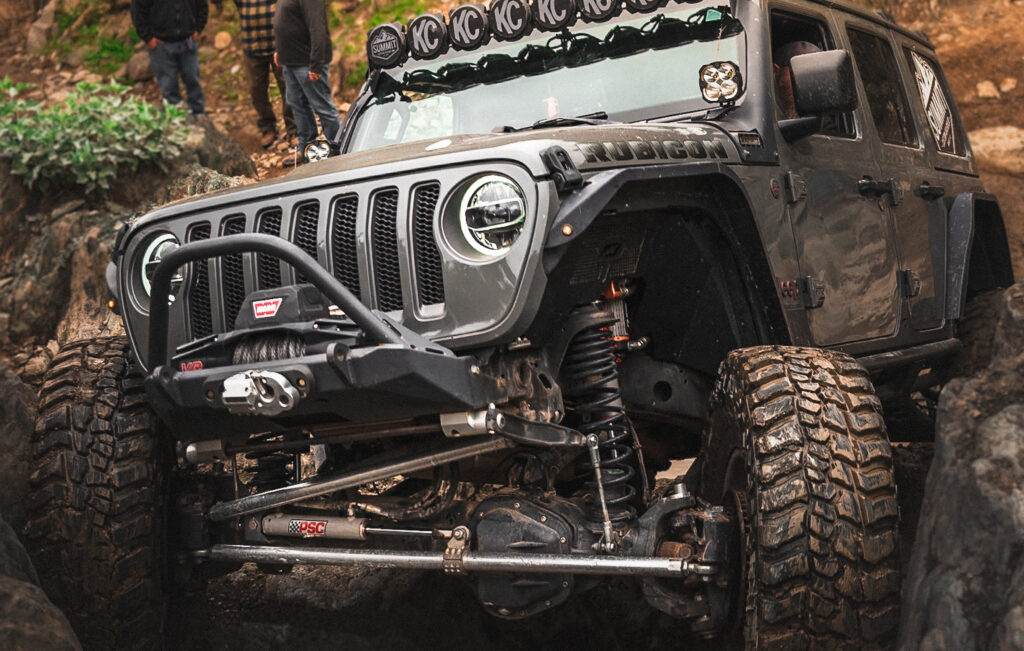 At the same time, off-road vehicles often carry significantly more weight than stock. Armor, bumpers, winches, recovery gear, tools, and larger axles all contribute to higher loads that the steering system must overcome. Factory steering systems rely entirely on mechanical force generated by the steering box. When resistance exceeds the available force, the driver can continue to try to turn the steering wheel without the tires responding.
No amount of physical effort changes this outcome. The steering system has reached its mechanical limit.
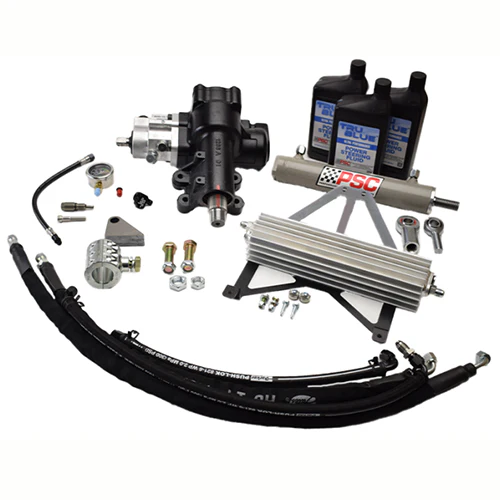
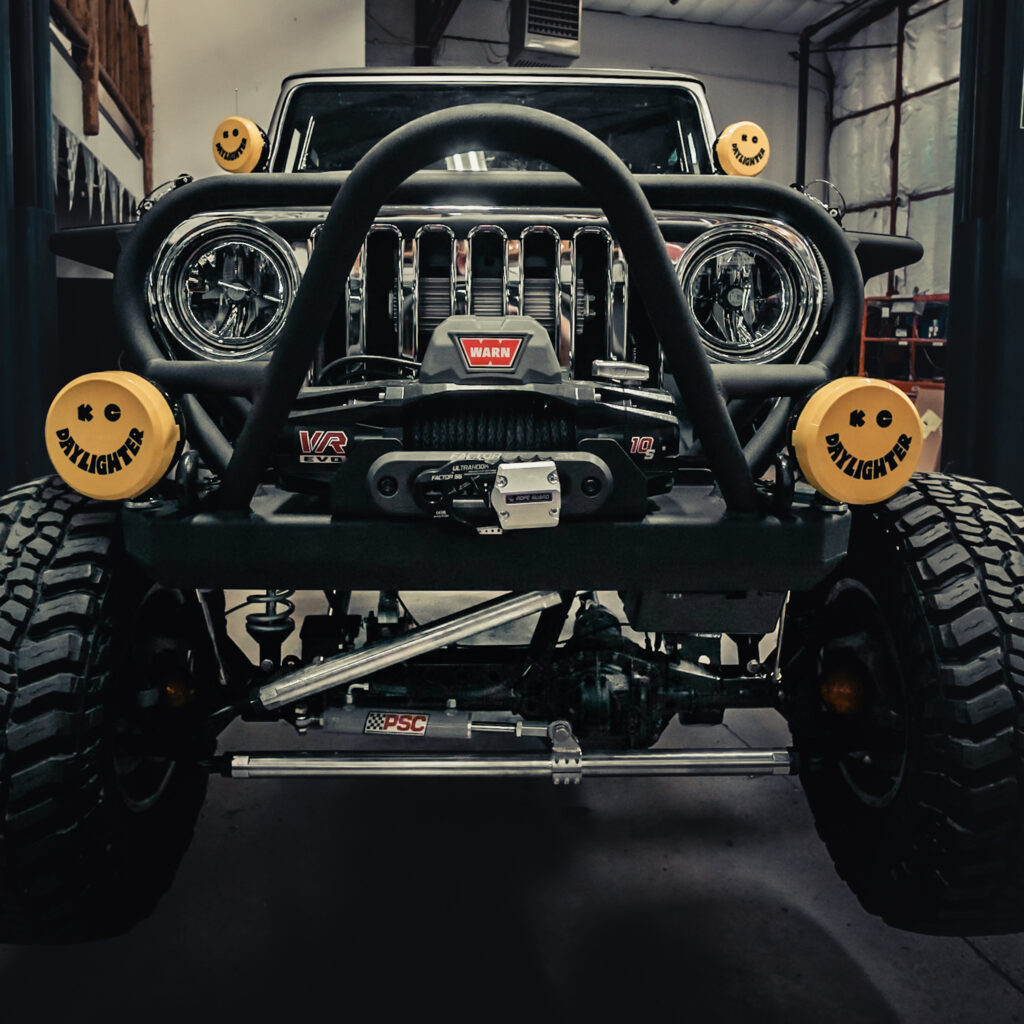
This is where PSC approaches the problem differently. PSC does not attempt to compensate by masking symptoms. Their systems are engineered to increase available steering force and reduce stress across the steering system by introducing hydraulic assistance where resistance actually occurs.
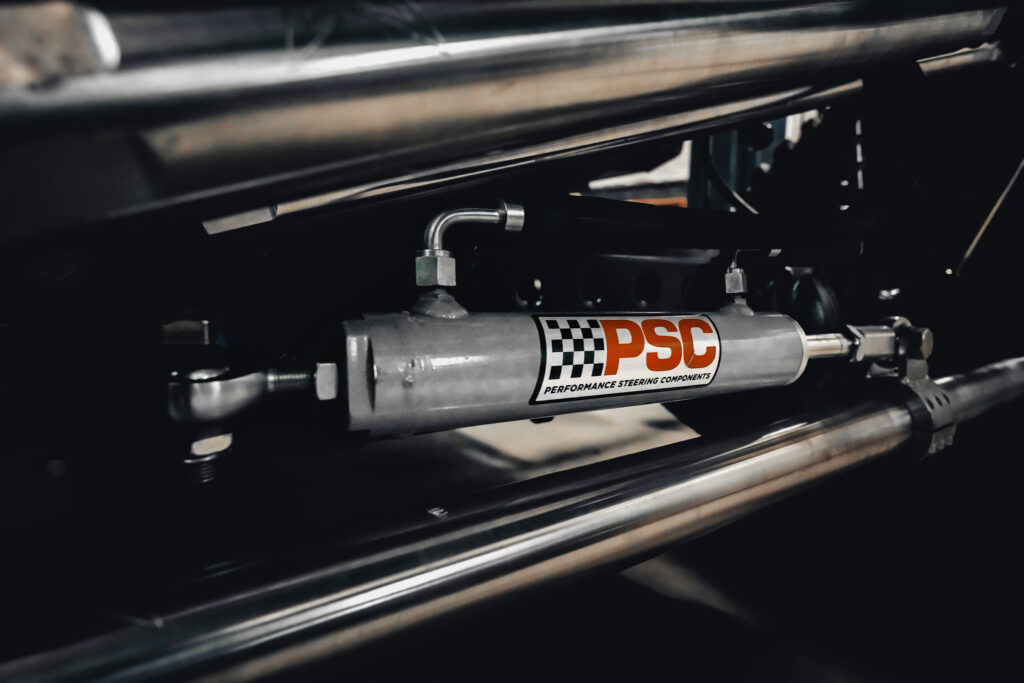 PSC Cylinder Assist systems add hydraulic force at the axle rather than relying solely on the steering box and steering linkage to do all the work. By assisting the tie rod directly, steering force is applied where the load is highest. This allows steering input to remain effective even when tires are bound against obstacles.
In real trail conditions, PSC Ram Assist helps turn tires when factory steering systems are bound under load, reduces steering effort during high resistance situations, keeps the vehicle tracking the intended line, and prevents steering lock up during critical maneuvers. Just as important, it reduces stress on the steering box, sector shaft, and steering linkage, improving long-term reliability.
The result is consistent and predictable steering response when traction, tire size, and vehicle weight are working against the system.
Not every vehicle requires cylinder assist, and PSC is clear about that. Steering systems should be matched to tire size, vehicle weight, and intended use. For vehicles running 33 inch to 35-inch tires, we recommend the Adventure Kit without cylinder assist. This system focuses on strengthening mechanical steering and improving control. The Adventure Kit uses PSC’s Big Bore steering gearbox, which provides approximately 30 percent more steering assist than a factory steering box. This improves steering strength and reliability under moderate load, making it well suited for daily-driven vehicles and light to moderate trail use.
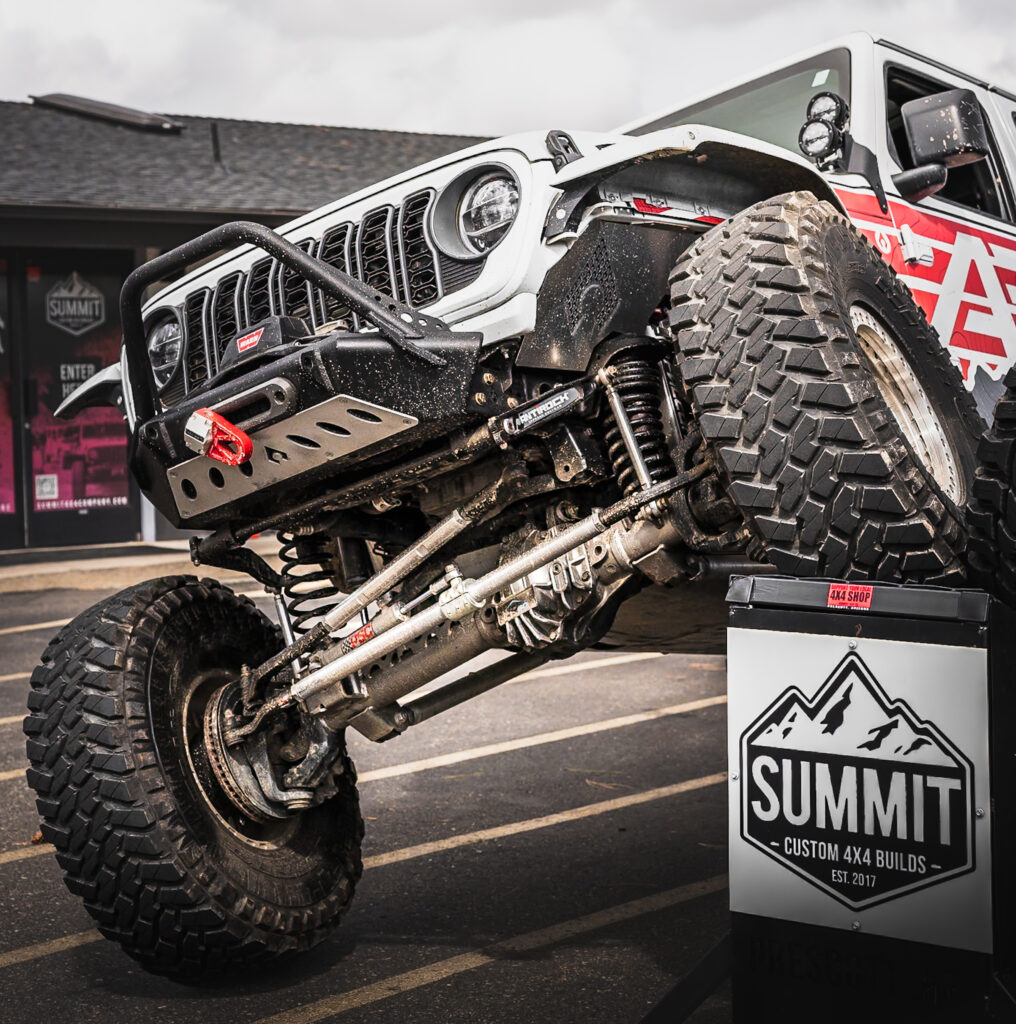 For vehicles running 37-inch tires and larger, we strongly recommend Cylinder Assist. At this level, oversized tires, added vehicle weight, and technical terrain create steering loads that mechanical systems alone are often unable to manage. Even upgraded steering boxes can reach their limit under sustained resistance. In these conditions, PSC Ram Assist provides the additional steering force needed to maintain control while reducing component stress and improving durability over time.
The takeaway from that Summit 4×4 Club run is not that the vehicles were improperly built. It is that as builds evolve and capability increases, steering often becomes the next system that needs to be addressed. Steering limitations tend to reveal themselves only under real-world load, mid obstacle, when conditions are least forgiving.
If any part of this sounds familiar, it is worth evaluating whether your steering system truly matches how you use your vehicle today, not how it was originally built. The team at Summit 4×4 is always available to talk through the right PSC steering solution and help address the issue before it becomes a problem on the trail.
-Jesse Wasil